



 May/2025
 Diversity
Growing Up Between Cultures: Why Representation Matters
Monisha Sami
As a child, I often felt like I was balancing on a thin line between two worlds. At home, the flavours, traditions, and expectations of my South Asian family surrounded me. At school, I stood out in Australian classrooms and playgrounds, different enough to be noticed, yet not connected enough to fully belong.
I was too Australian for my Indian relatives, too Indian for my Australian friends. Caught in that quiet in-between, I was always translating, always adjusting, always wondering where I truly fit.
I could not speak the language my relatives used. I understood fragments, but not enough to join in. I hated how that made me feel like a visitor in my own heritage. At the same time, at school and in public, I was reminded that I looked different.
My lunchbox was never the neat sandwiches and snacks other children had. My parents were busy, working long hours, and food was practical, not pretty. I envied how effortlessly other children seemed to fit in.
Without realising it, I began rejecting culture indirectly. I avoided speaking about family traditions. I hoped no one would notice the differences. Quietly, I pushed away parts of myself that I now wish I had held onto.
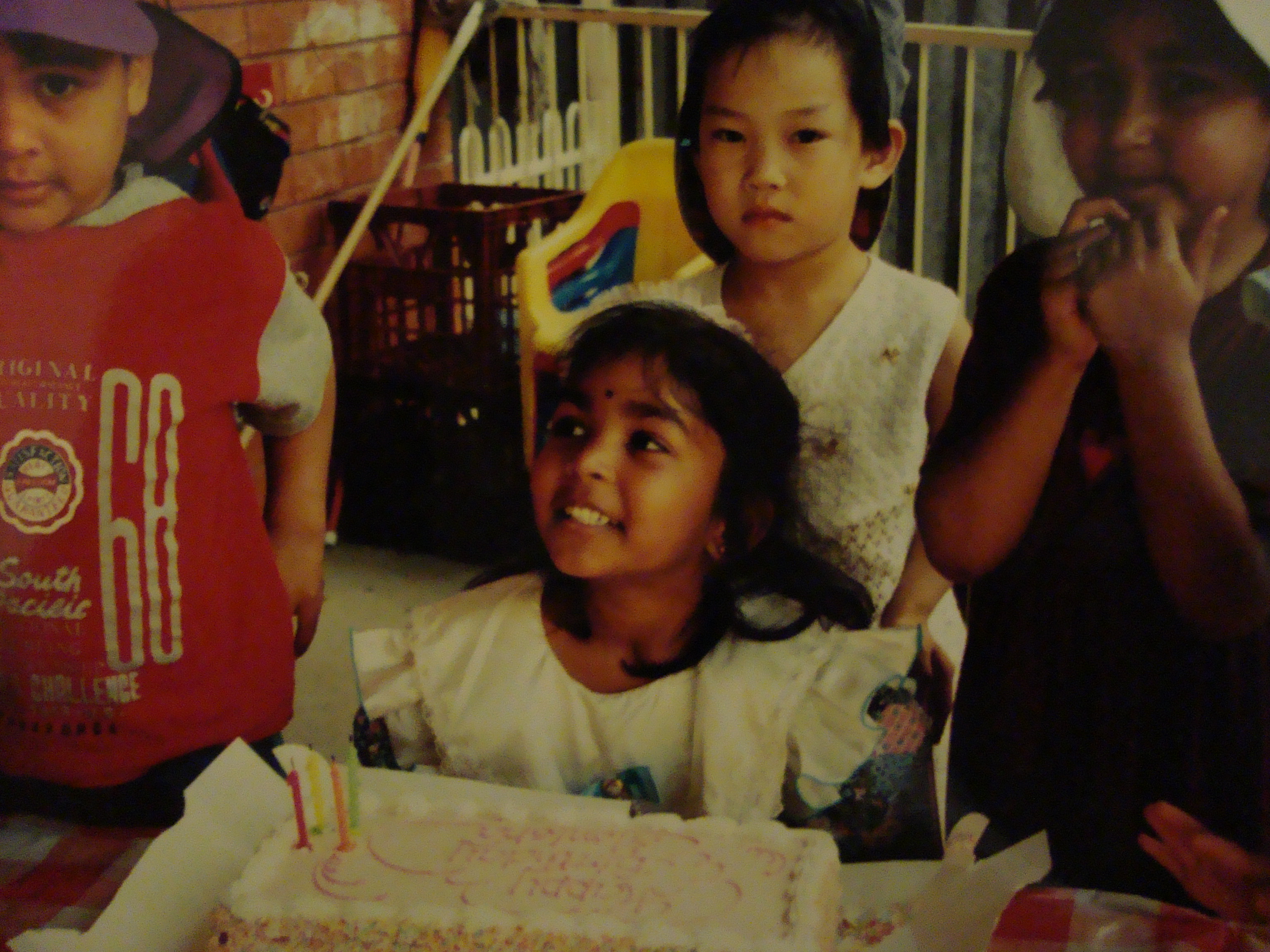
Monisha (StoryCloud Founder & CEO)
Books became my hiding place. Stories gave me somewhere to belong when I did not feel like I belonged anywhere else. But the characters I read about were rarely anything like me. They had names I never heard at home, families that seemed simpler, lives that looked easier. I loved those stories, but they also reinforced the feeling that I had to fit into someone else’s world, because my own did not appear in the pages.
I do not like admitting how much I pushed away my culture as a child, but it felt necessary at the time. Blending in seemed like safety, while standing out felt like rejection. Looking back, I wish I had seen more stories showing that being in-between was okay. That my background was not a burden, but a source of richness.
This is why diversity in stories matters. Representation is not about ticking a box. It is about showing children that their lives, their families, their skin, their food, and their traditions are worth telling. It is also about giving other children the chance to learn from difference, so that what is unfamiliar becomes something to be curious about rather than something to fear.
When children only ever see a narrow version of life, they learn to expect sameness. When they see a range of cultures, abilities, and experiences reflected in the stories around them, they learn that difference is normal, valuable, and that it belongs.
Stories can be mirrors, helping children see themselves clearly, and they can be windows, offering glimpses into lives different from their own. As a child in the 1990s, I often had windows but rarely mirrors. That shaped me in ways I still feel today.
As an adult, I want children to grow up with both. I want them to see themselves celebrated in stories, not hidden in the background. And I want them to see others too, so they can grow up with respect and empathy, knowing the world is bigger than their own experience.
Because no child should feel they have to erase parts of themselves to belong. And no child should grow up believing that only one kind of life is worthy of being told.



 Wed Oct 01 2025
 Mission







 Crafted byD'Vinci
 Technology
 Network